
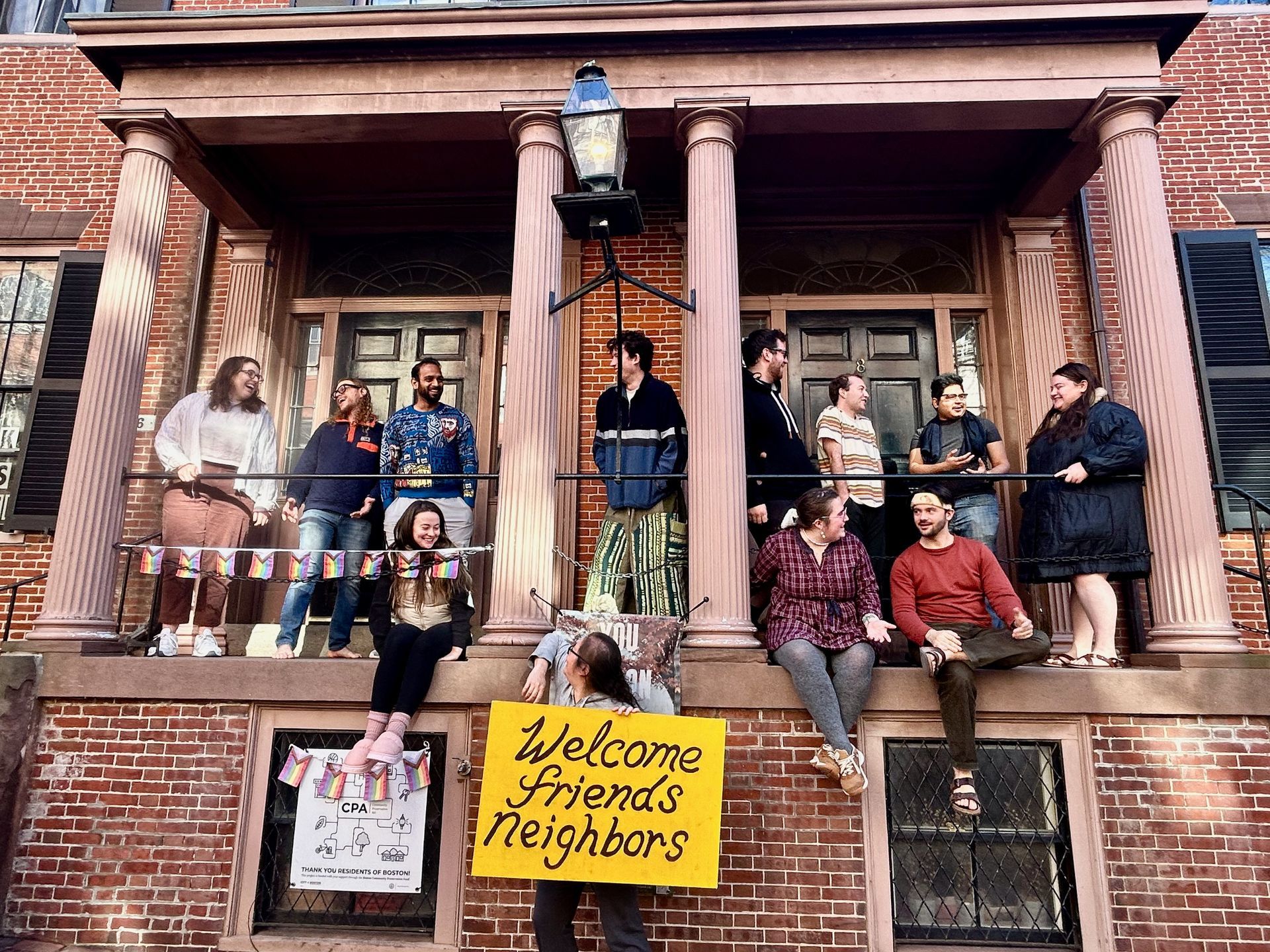
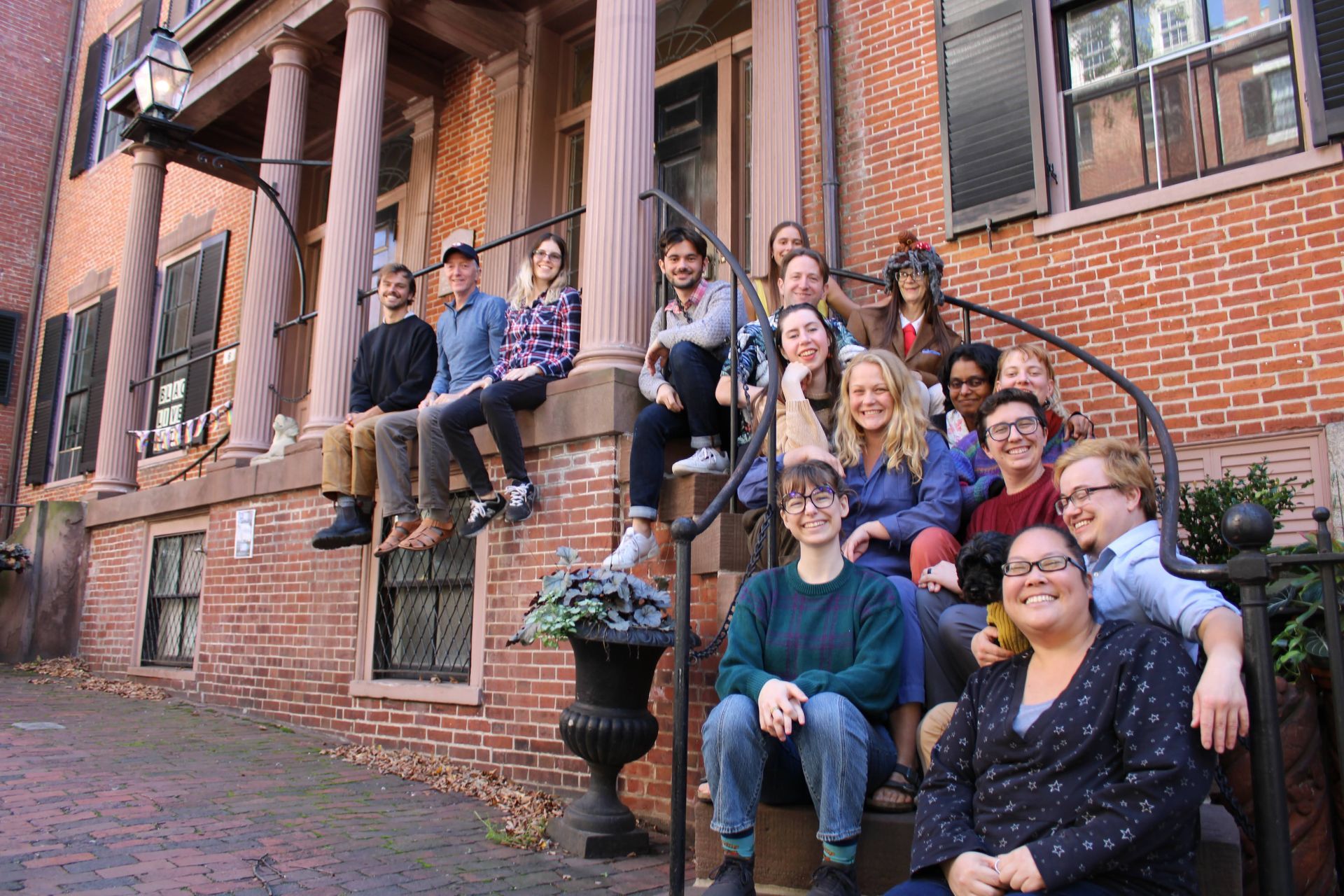
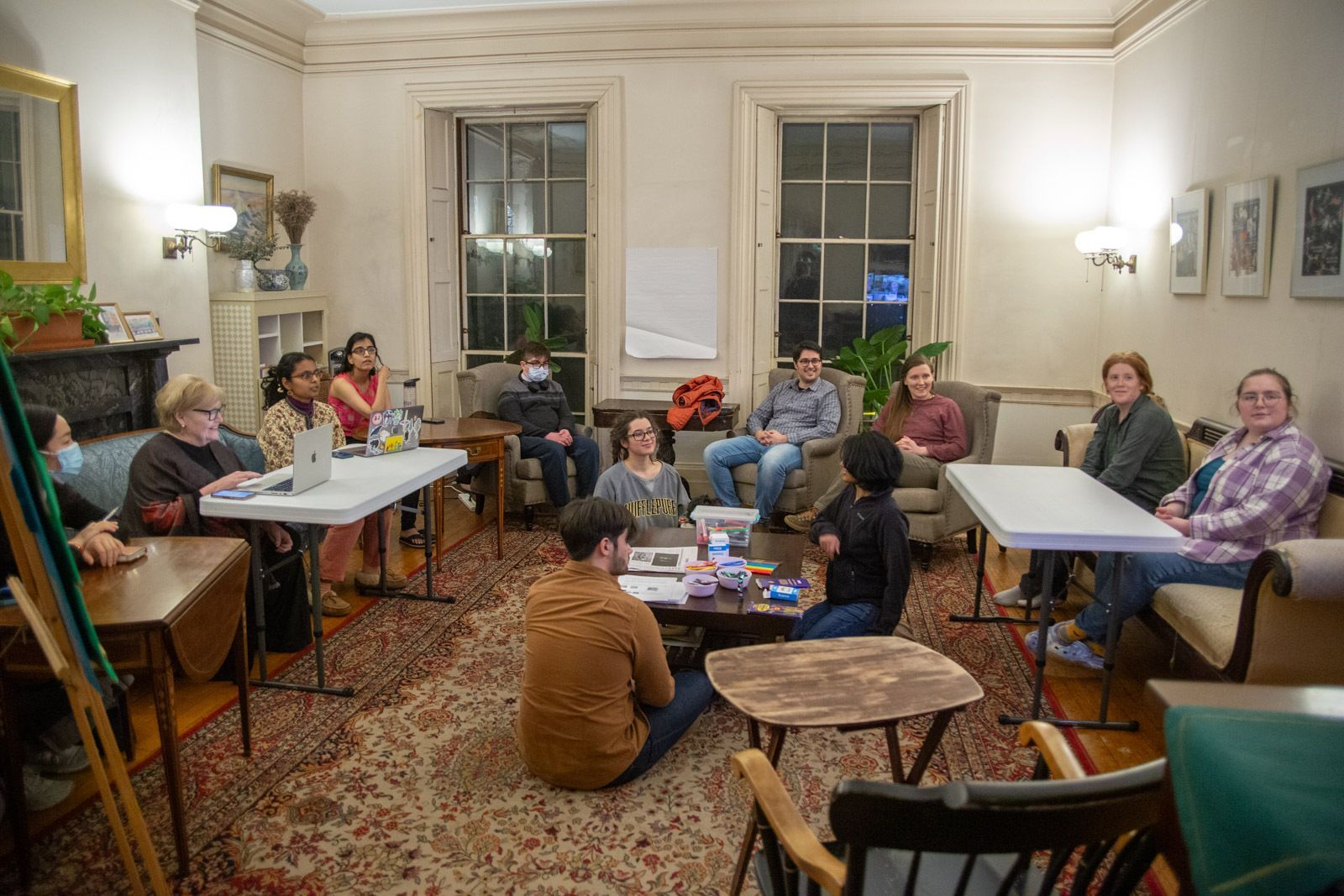
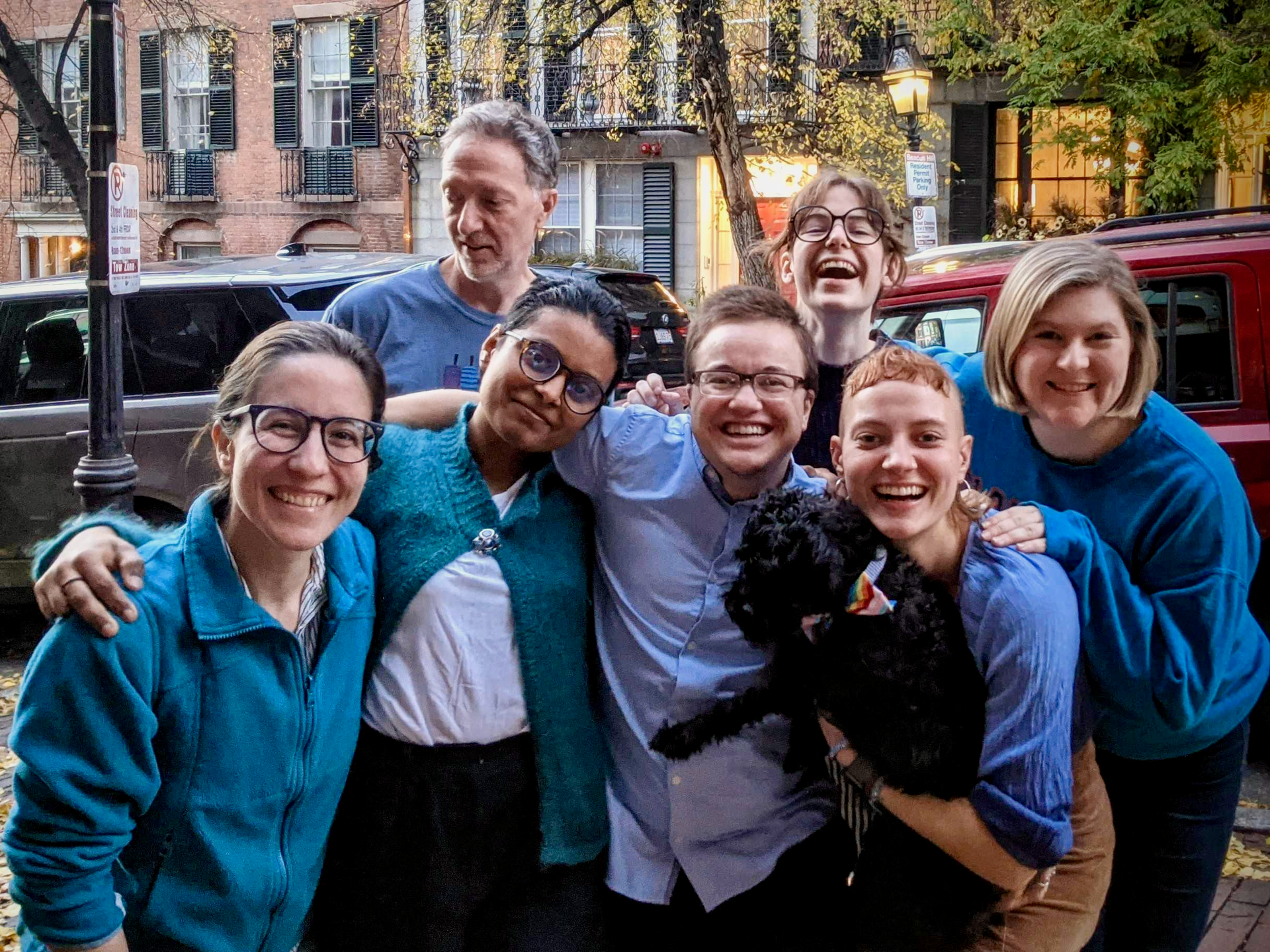
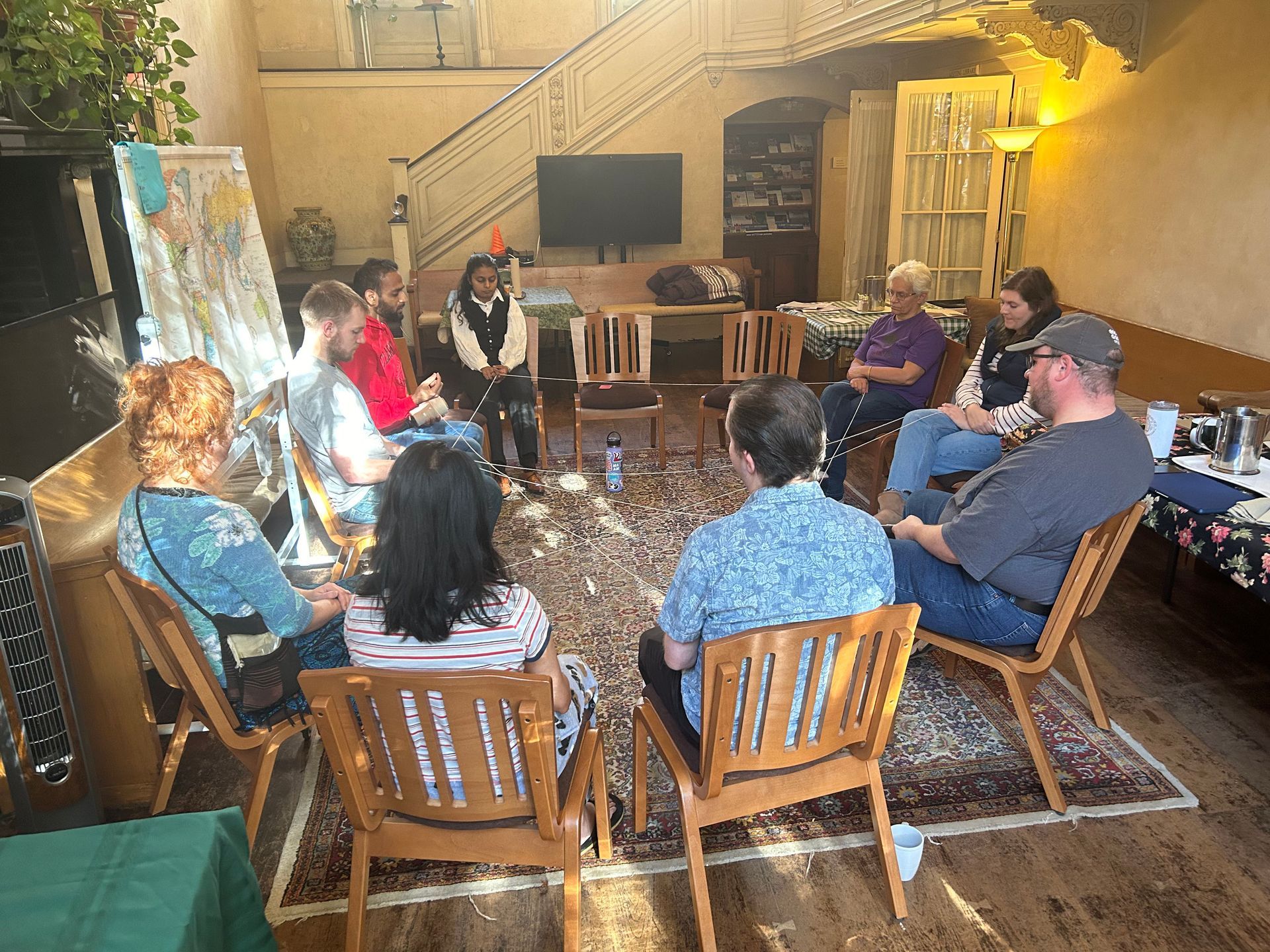
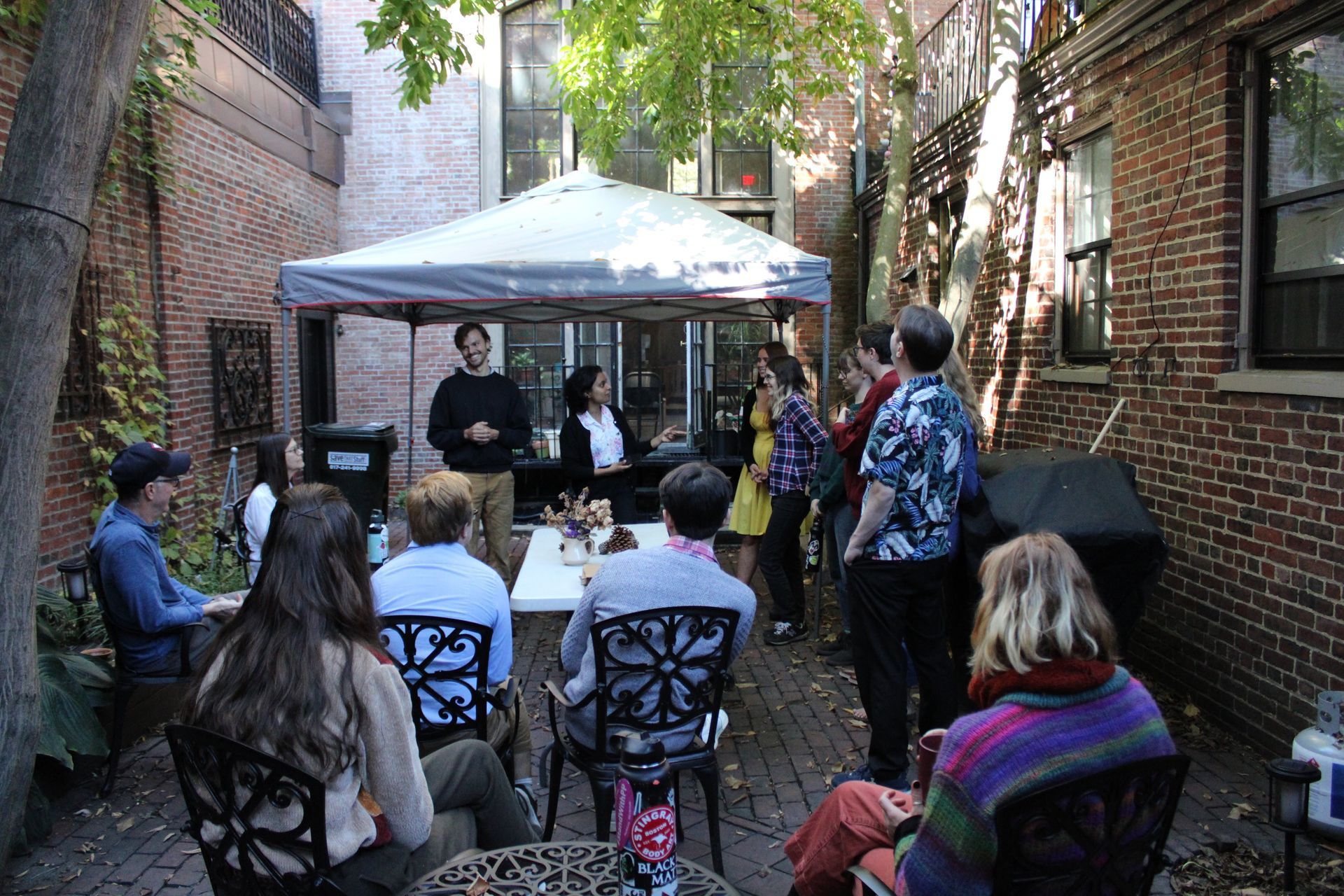
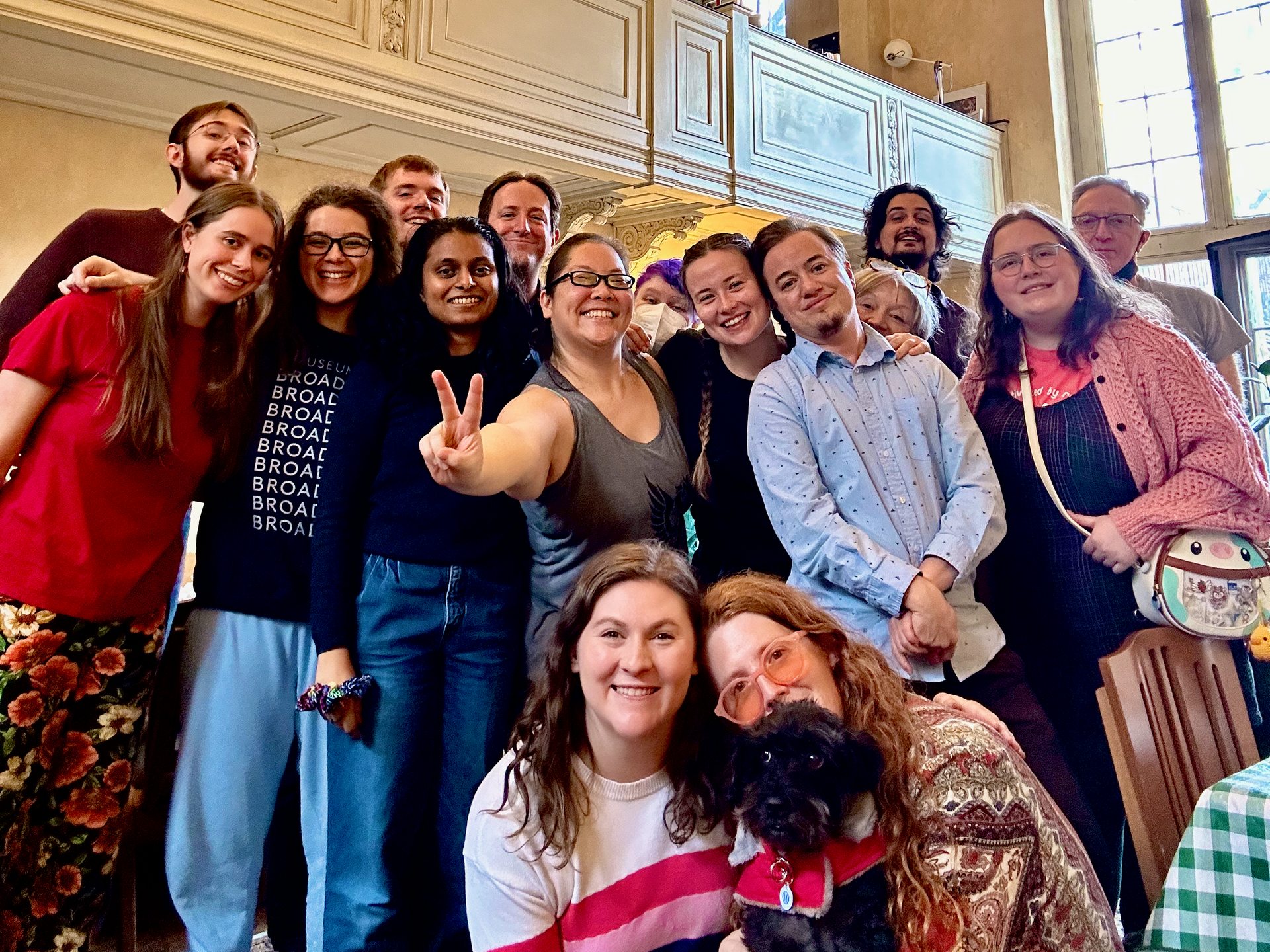
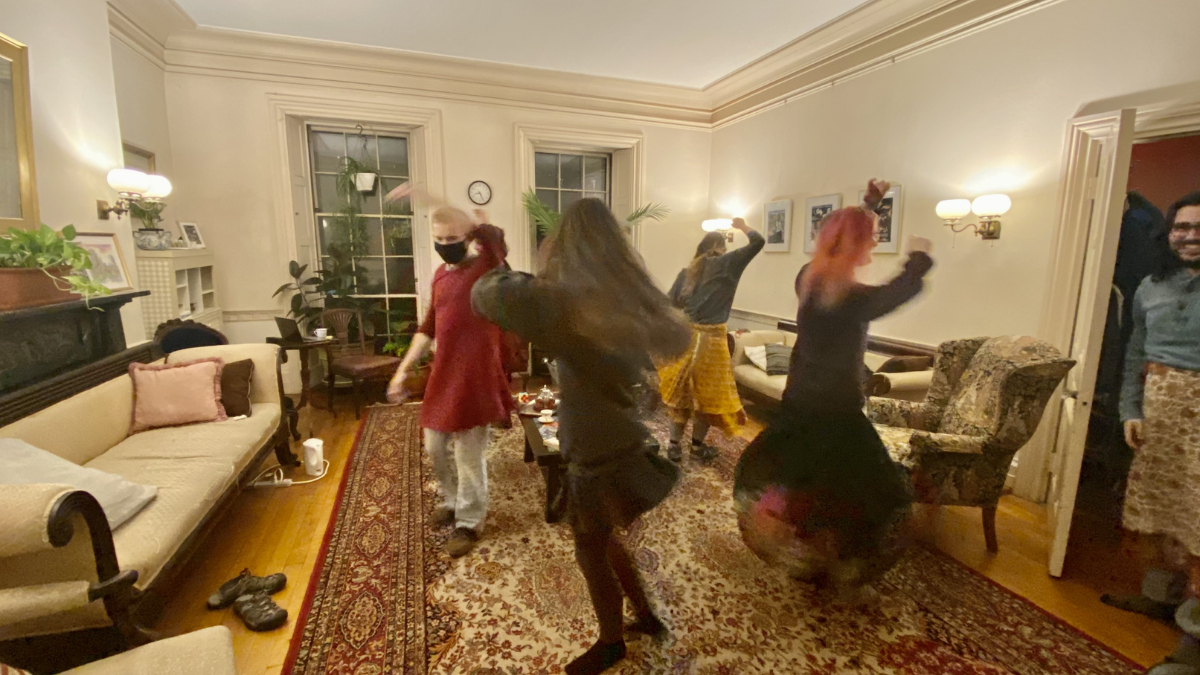
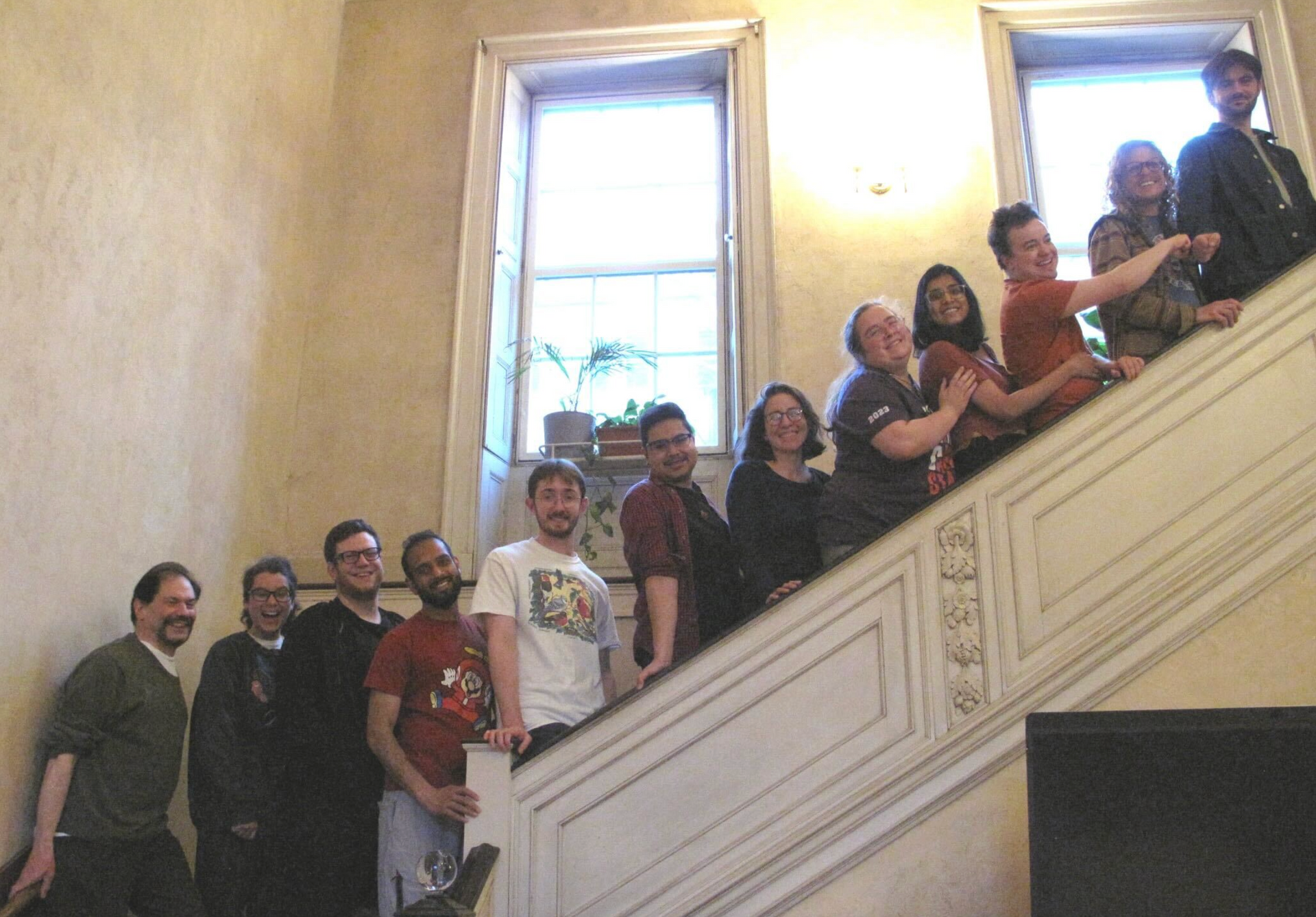
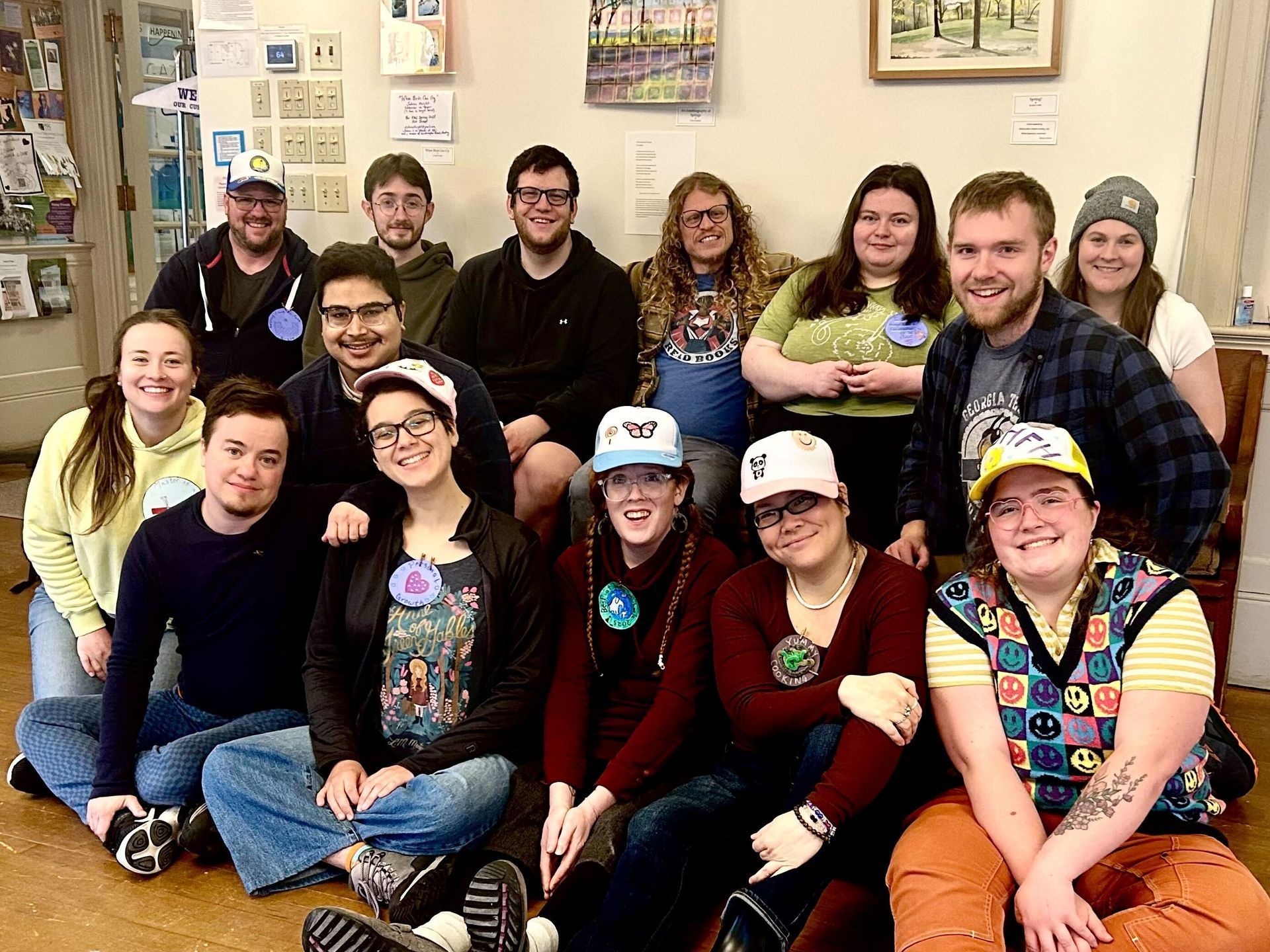
Dear Friends, For those who haven’t met me yet, I’ve been living at the House for the past 8 weeks holding some of the aspects of Jen’s work while she’s been on sabbatical. Coming to the end of my (relatively short) time on staff here, I’m reminded of the value of living in community. I’ve lived in an intentional community in Lebanon, NH for the last 6 years (a home I’ll return to shortly). In that time, I’ve become accustomed to the style and rhythm of my home. Here at the Friends house, I’ve had the opportunity to experience being a newcomer to a home again—the soft struggle of learning a new place, taking the wrong stairs, feeling out unwritten rules, and navigating the awkwardness of living near strangers. It conjures some empathy for the many people over the years who have told me that communal living isn’t for them—that the work of being vulnerable alongside so many others in the intimacy of their own home is unappealing, scary, and risky. I’ve often dismissed those concerns quickly, noting that there is so much to gain in the bargain of communal living. I’ve often thought of it as a practical exchange: you have more, challenging conversations, but gain an economy with many hands making less individual work! In short, we ease our household labors by taking on the difficulty and slowness of process and consensus. However, simplifying intentional living to an exchange of labors misses something significant: the power of process. Those familiar with Quaker practice will not be surprised by this. Much like a meeting, which comes together knowing itself to be more than the sum of its members, a communal home comes together and finds that there is much to be gained from the act of gathering itself. The process of living together (creating consensus, resolving conflict, coordinating the many moving parts of individual lives) creates something bigger and more impactful than the good lives residents could live independently that more than off-sets the cost of proximity. So, returning to my home up north with its own flavor of mis-communications and mis-coordinations, frustrations over changing too slowly or too quickly, labors over practices and policies, and overall struggle to align the lives of its members, I’m reminded to Trust The Process.
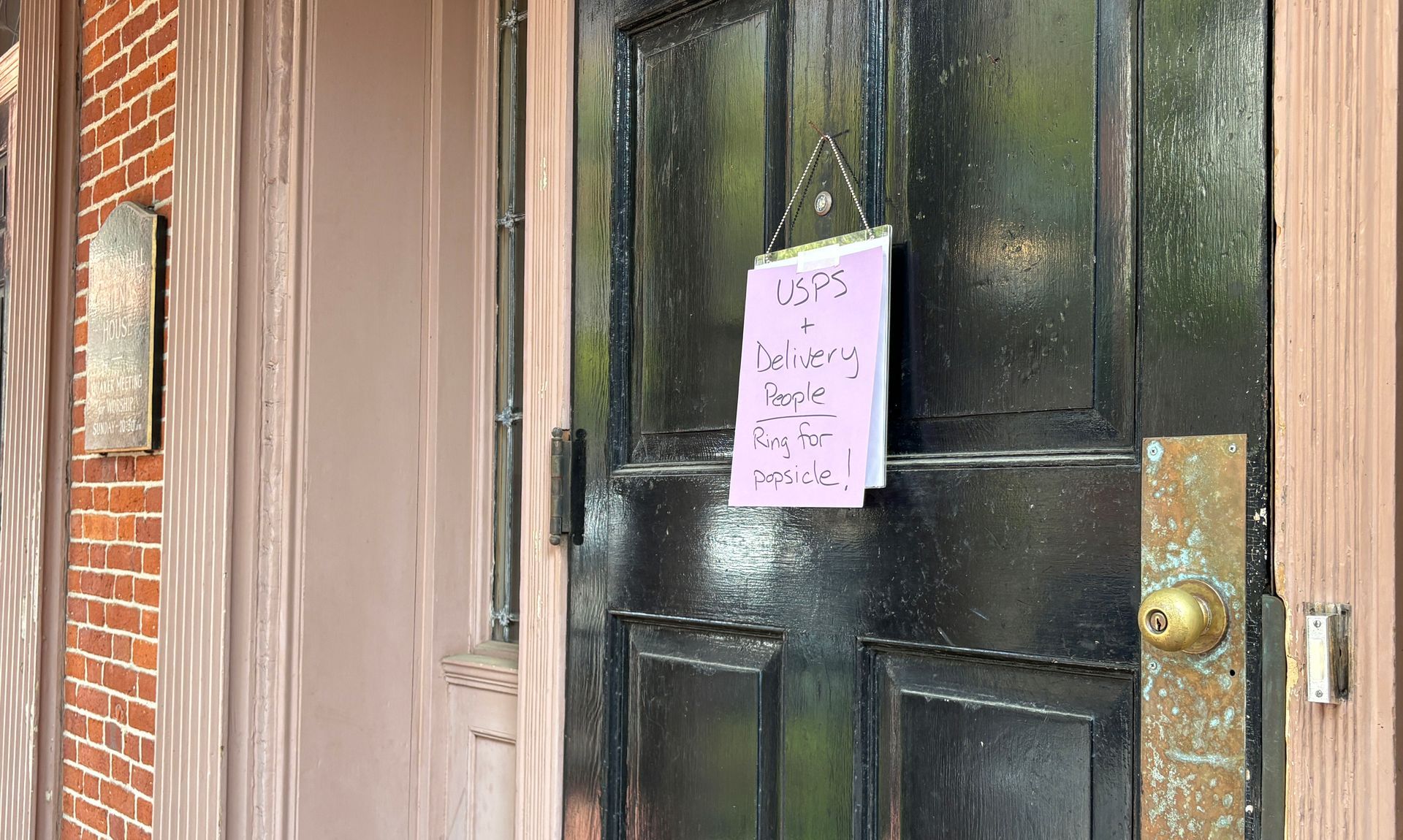
Dear Friends, It’s been hot lately. And while I love idyllic lazy sun-drenched days filled with fun and friends, heat isn’t always so pleasant. So then I think of the more negative associations of heat—being hot-headed/hot-tempered, having heated emotions or a heated response—and listen y’all, I get it. When I’m physically uncomfortable due to the heat, I am absolutely quicker to feel frustration and other emotions that exist in friction or tension. So here’s a hot take—we could all just, like, chill out, bruhhh. Because it’s so easy to react, right? Especially once we’ve gotten activated, our systems have us convinced that we’re fighting for our lives—and sure, sometimes maybe we are. But most of the time, I’m betting it’s not a life or death situation. It’s probably closer to “why haven’t you emptied the dishwasher when I’ve been asking you for days” or “I’m upset because you drank the last cold soda, even though you did not know that I had been really looking forward to it.” I wonder if there are ways we can pause, take a breath, and choose to cool down. Can we hold boundaries firmly but kindly? Can we face setbacks with grace and understanding? Can we offer each other a little more grace? I wonder what we can accomplish together when we stop adding gas to the fire.
Dear Friends, I’ve been reflecting recently on how vital “ third spaces” are in fostering community. These special places—that are not home or work—are where we meet up with friends, encounter strangers, and strike up conversations. They provide opportunities for us to both learn about ourselves and about others. The Beacon Hill Friends House is one of those third spaces where community feels tangible. It’s a place where our residents can feel held as they grow into themselves. It’s a place where people come once a month to be supported in their grief. And a place where many groups of people gather to plan and advocate for the future that we so deeply seek. Our beloved House is intentional about creating spaces where magic can happen as we knit ourselves together. We are just $10,000 away from our Annual Fund goal. Will you join me in supporting the Beacon Hill Friends House before June 30? Your gift of any amount will be deeply appreciated.
From June 22 through July 31, I will be stepping away from Beacon Hill Friends House for a period of sabbatical. As I finalize my preparations for my time away, I find myself returning to a simple truth: the work is never finished. There is always another project to move forward, another challenge to address, another opportunity to pursue. I don't think wisdom is found in completing everything before we rest. Wisdom is learning that we are finite people, entrusted with meaningful work for a season, and that rest is part of faithfulness too. This year has reminded me of that lesson. Like many organizations, BHFH has navigated a year of uncertainty, change, and more than a few unexpected challenges. Yet it has also been a year full of generosity, resilience, laughter, and community. Over and over again, I have been reminded that what makes this place special is not any one person, program, or project. It is the people who show up — residents, volunteers, donors, staff, neighbors, Friends, and guests — who continue to create a sense of belonging and possibility together. One of the gifts of sabbatical is the opportunity to trust that community. While I am away, the life of BHFH will continue. Meals will be shared. Community groups will gather. Guests will come through our doors. Important work will move forward. The house will remain what it has always been: a place of hospitality, connection, and witness. Part of my sabbatical will include offering the Bible Half Hours at the annual gathering of Friends General Conference, where I will be exploring the wisdom of Ecclesiastes and what it means to live faithfully in a world we cannot fully control. I look forward to returning in August with renewed energy for the work ahead. The coming year will bring new opportunities, continued discernment about our future, and the beginning of preparations for Beacon Hill Friends House's 70th anniversary in 2027. Thank you for your support of this community and for the many ways you help sustain its work. I am grateful for this time of renewal and for the opportunity to return ready for the next chapter. P.S. One other piece of personal news: during my sabbatical, I will be completing the process of changing my name following my marriage to my partner McKenna Caldwell earlier this year. When I return this fall, I will be using the name Jennifer Caldwell.
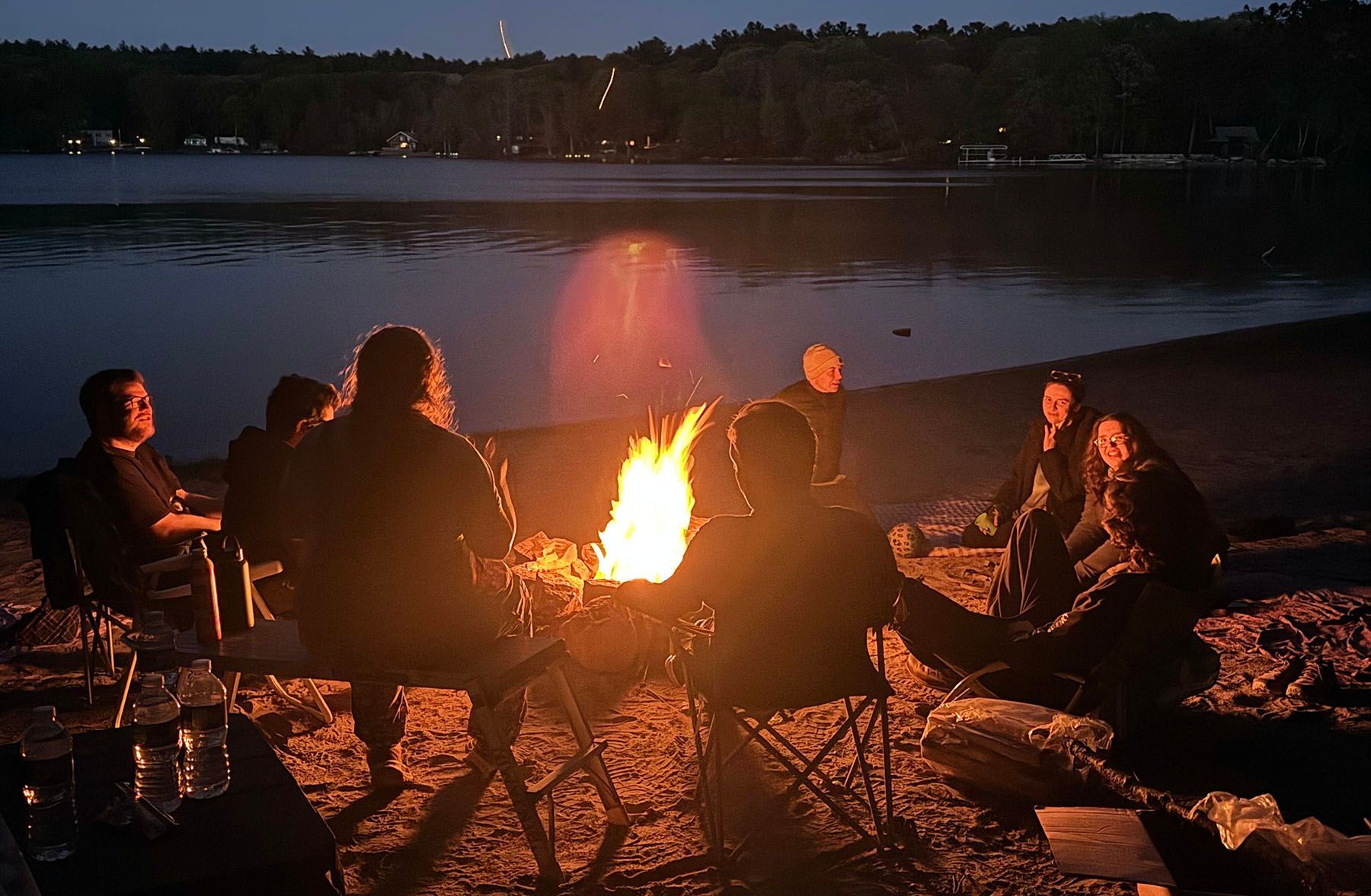
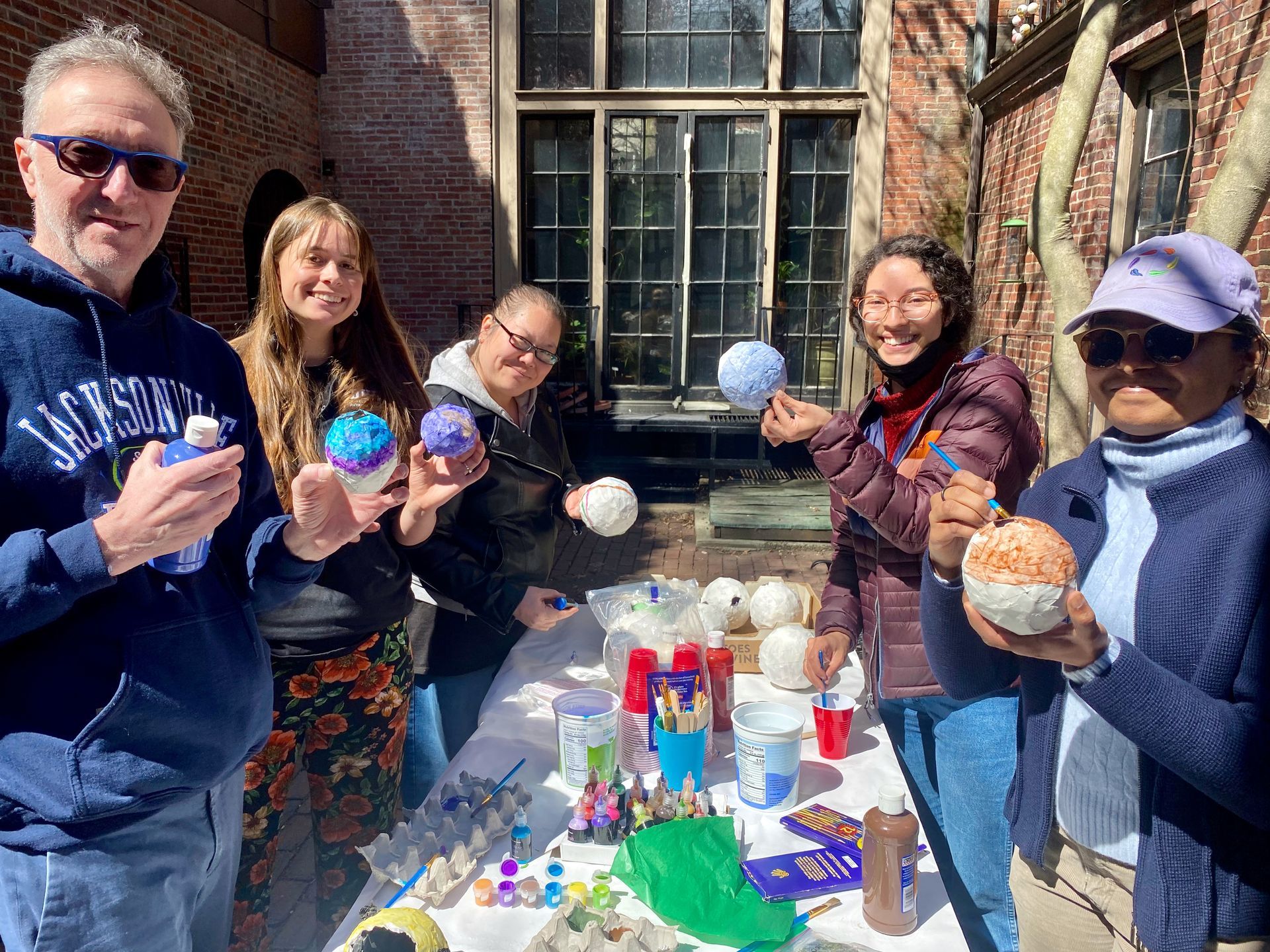
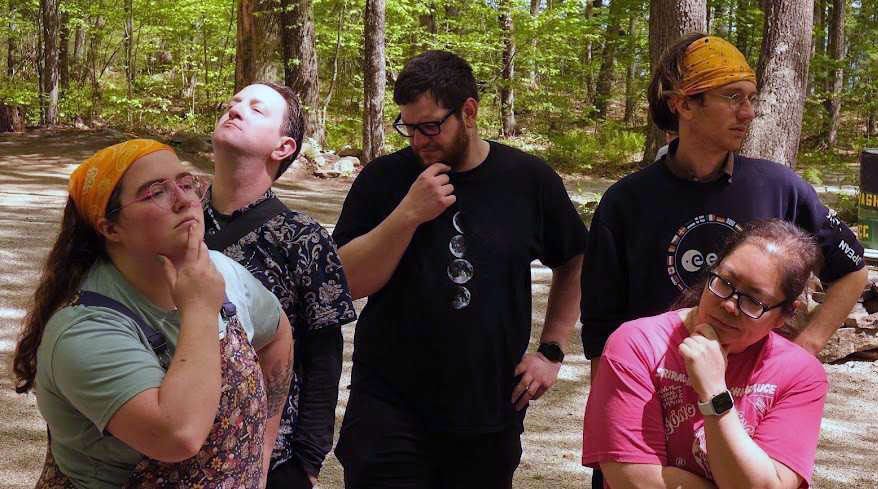
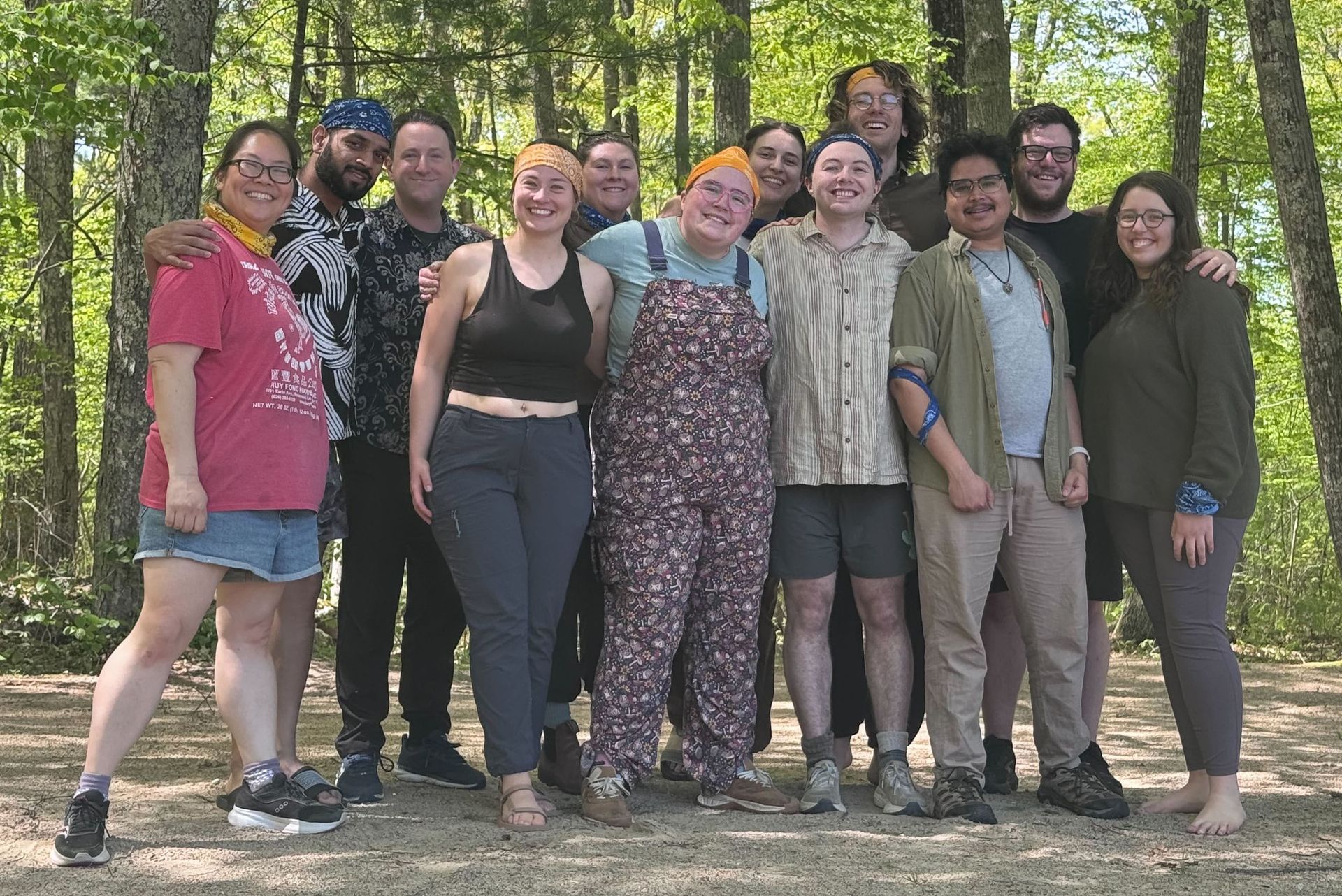
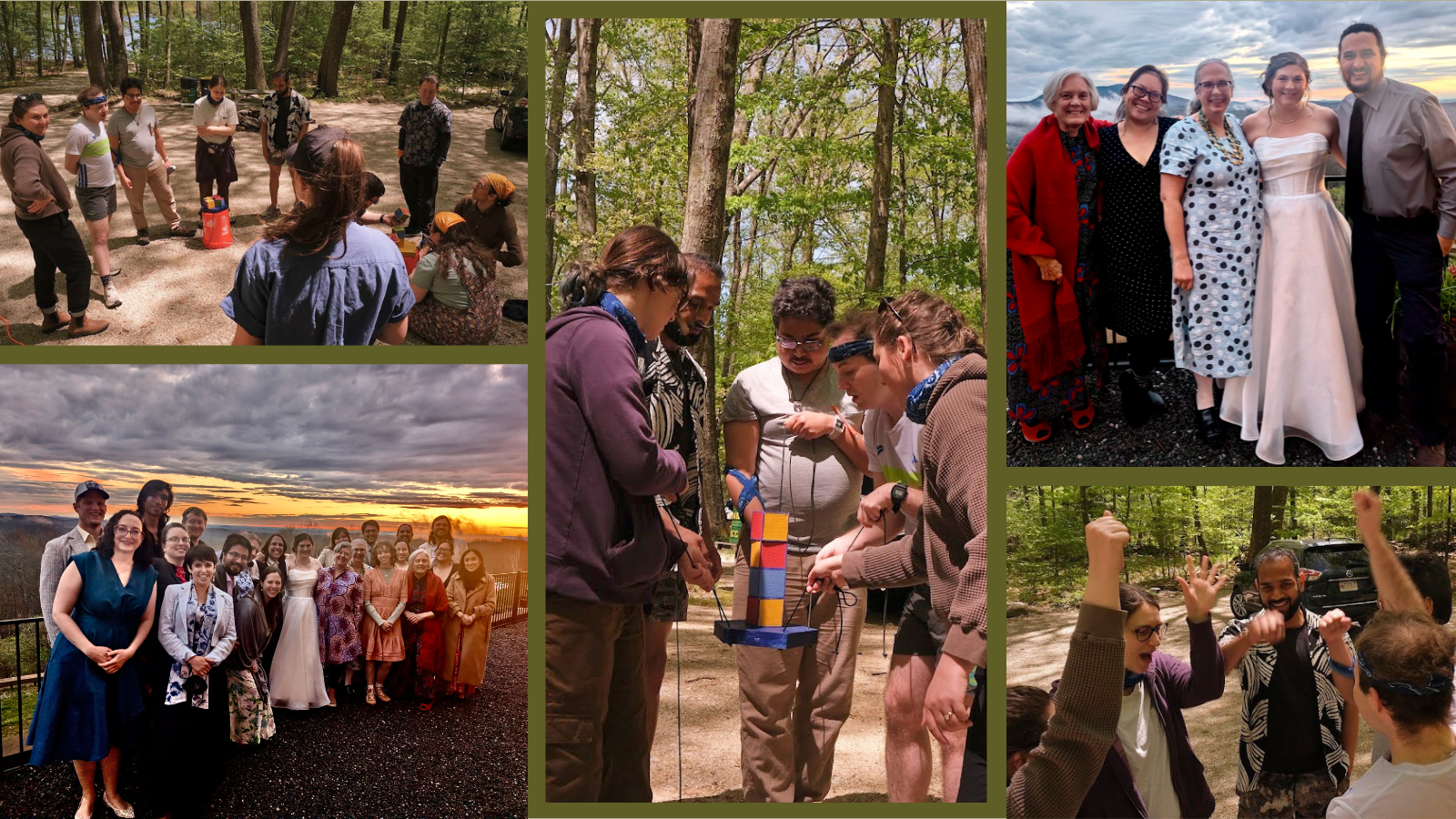
Just like that and summer is here. Perhaps, like me, you are planting your seedlings this week. I love to lose track of time tending to my small patch of earth. It helps me slow down as I marvel at all the growing things. Having dirt under my fingernails reminds me that I am a part of ancient seasonal rhythms. Residents held our semi-annual Housie retreat this past weekend in Douglas, MA. They had a chance to play games, explore the woods, and connect with each other and our surroundings in ways that are hard to do in the busy day-to-day of House and city life. This moment of retreat is another ritual we do around the season change that gives us a break, lets us find ourselves, and connects us with nature. I hope you are able to find time to reconnect in these warm months, too. May you find time to be in the woods, or on a lake, or wherever you prefer to be surrounded by nature. May you find refreshment and peace there. And I hope you find new ways to connect with people at a wedding, or picnic, or graduation celebration, or just a walk near your home. May you learn something new about them and remember why you love them. May you learn something new about yourself. Have a s’more for me!
There's trusting the process/trusting the system, and then there’s stagnating in the system or process. As the world changes and as we all learn, process, and grow in different ways, it’s good to remember that the process or system only works if it actually works for everyone. For instance, I honestly really like our resident handbook. It’s thorough and it flows in a way that makes sense to me. It does not do this for all housies. It might not even be sufficient for most housies. The system can’t work if the users can’t access what they need in order to do what they need to do, right? If what we keep hearing is “we need this support” and “there should be a policy about…” and “I don’t know who to ask for this” when *I think* all the information is clearly presented in the handbook—then a change is needed. A handbook that was written decades ago when the world was a very different place—and there wasn’t even language yet for neurodivergence, for people having different learning and processing speeds and styles—is just not going to work in this current world. Adaptability as a leader isn’t just about rolling with the unexpected hiccups and finding a way through—although that’s definitely a huge part of it. Leaders also need to look at the folks we’re leading: what do they need to accomplish our goals? Sometimes we need to redesign the starting point. Or if we’re viewing life as a video game (and why not?)—sometimes we just need a better tutorial.
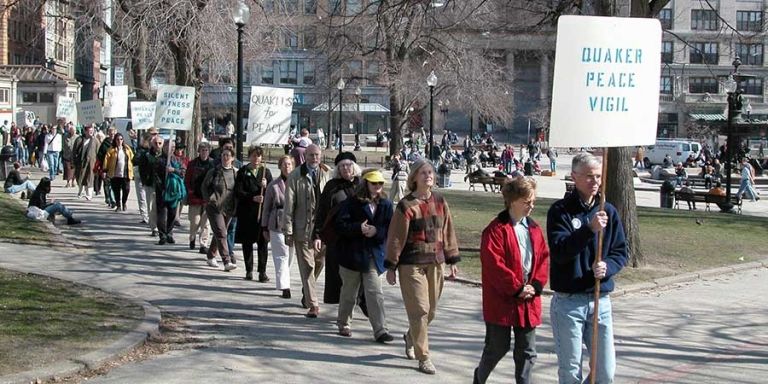
While we host meetings from a variety of organizations, we deeply value our Quaker connections. This past week we hosted the Good Friday Witness for Peace and Justice as we have for many years. Organized by Friends Meeting at Cambridge, Friends from the greater Boston area gather here for opening and closing worship. Vickie provided a simple lunch after a chilly day on Boston Common. This coming weekend we are hosting the House Board retreat where Friends and friends from around New England will meet to do the business of running the House. Also this weekend, I hope to attend the Visioning Day on Vibrant Quarterly Meetings. The House helped hold Salem Quarter during its sabbatical and we would love to be a part of getting it started up again. And in July, Jen will be delivering the Bible Half Hour at Friends General Conference Gathering. Our connections to our Quaker community ground our work, support our mission, and keep us connected.
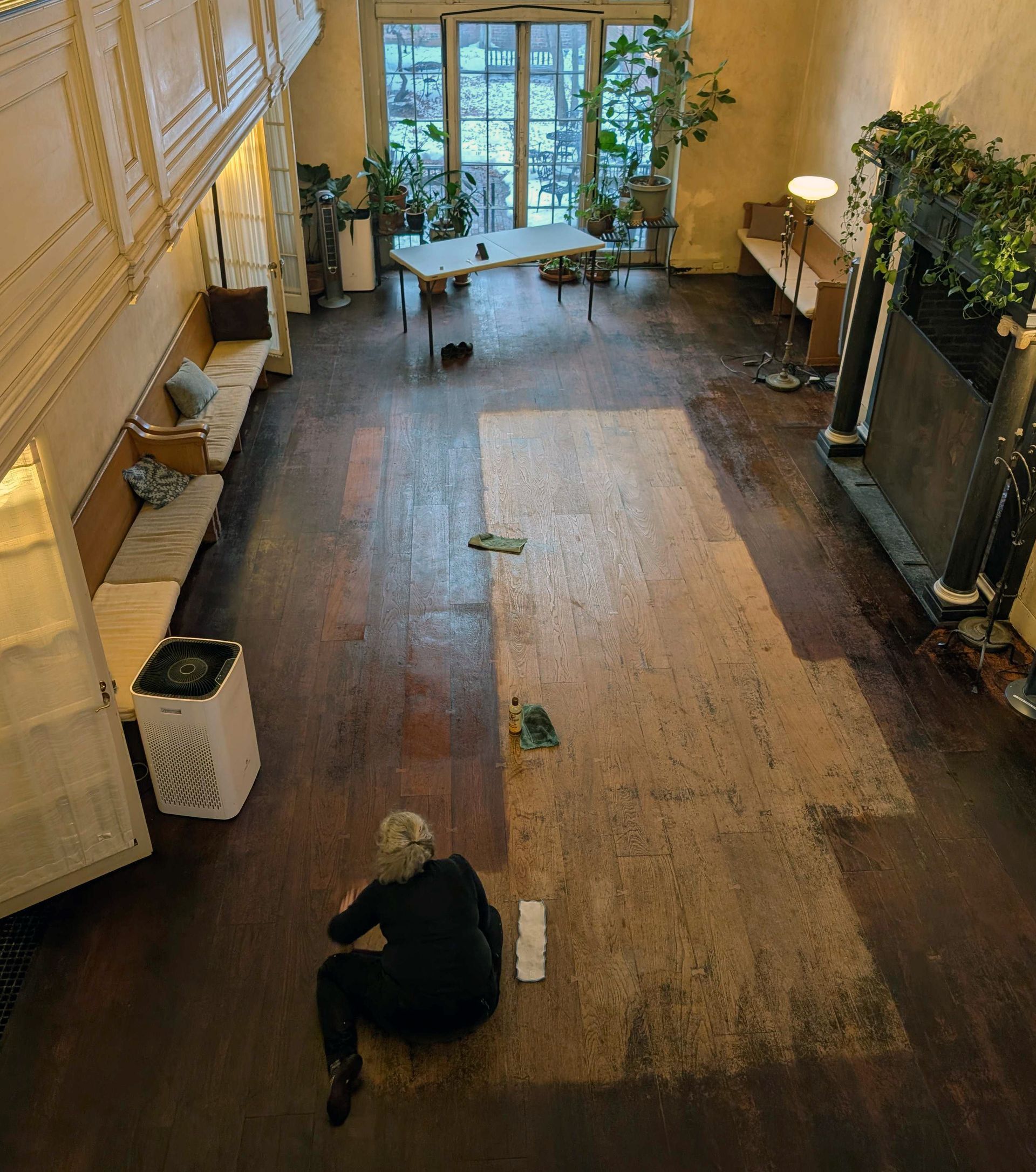
Some Reflections on Cleaning The first thing I do when I move into a new place is clean. I don’t mean I sweep the floors, I mean I scrub everything. I take a brush to the baseboards, dust the ceiling, clean the grease trap over the stove—things it may take me another 10 years to get around to cleaning again. Over the years, I have come to think of it as claiming a space for my own. It’s kind of like marking my territory, but with the scent of Murphy’s Oil Soap instead of musk. But it is also a way of getting to know my new home. As I clean, I notice the shape of the molding or an odd asymmetry in the layout. I’ve been attending Meeting for Worship at the Friends House for about 35 years. That’s a lot of time spent staring at the elegant inlay of the floor, the intricate design of the carpet, and the view through that gorgeous window. I feel like I know the space well. But since I’ve been working here, I’ve had occasion to notice the Meeting Room in a new way: by really cleaning it. Of course, I’ve swept up after fellowship and attended a few House Workdays. But now that I’m working here full-time, I have had the opportunity to care for the space regularly — and to really clean it like I do my own space. The last few times I’ve been to Meeting for Worship, the room feels different. The carpet is the one I vacuumed the day before and will vacuum again in a few days. The floors reflect back the oil and wax I applied by hand last month. As Quakers, we don’t believe that places are sacred, which is why we call our buildings “meetinghouses” not “churches.” It is us, the people gathered together, who are holy. But our connection to the space where we meet matters, too, even if just through decades of association. We come to know and love the places where we spend time connecting with the divine in each other. We’ll be hosting our Spring work day on May 23rd. Perhaps you can join us to tend to our beloved building and maybe find a new way to connect with it.
Spend a summer living in intentional community in downtown Boston, helping sustain Beacon Hill Friends House during a planned senior staff sabbatical. This role offers a chance to practice steady presence, sound judgment, and clear boundaries while supporting day-to-day operations and community life. It’s an opportunity to contribute meaningfully within a well-defined scope — holding continuity, responding to emerging needs, and supporting a values-driven residential community. Duration: Approximately 8 weeks (mid-June – early August) Hours: ~15–20 hours/week + on-call presence Compensation: Base Stipend $3,200 Housing: Must reside on-site. Room and board included. Primary Responsibilities Community Presence Maintain a consistent, calm, Friendly presence in the building. Hold 2-3 scheduled office hours per week for residents and staff. Provide basic orientation, information, and logistical support to residents when questions arise. Encourage residents to utilize existing house processes and agreements when interpersonal concerns arise. Urgent Situations Triage Serve as the first point of contact for building or operational concerns that arise in the house. Assess the situation and determine whether escalation to the Board Clerk or a designated board contact is necessary. Follow documented emergency protocols and ensure incidents are recorded. Facilities Coordination Coordinate and ensure vendor access for facilities issues as needed. Escalate significant building issues according to the established escalation protocol. Document facilities concerns and actions taken in the incident log. Scope Limits This role is designed to provide stabilization and support while a senior member of staff is on leave, not organizational leadership. The role does not include: Fundraising campaign leadership Strategic planning decisions Staff supervision Policy development or changes Financial decisions beyond a pre-approved emergency spending threshold The role also does not function as a mediator or counselor for resident conflicts, except where safety or house policy requires intervention. What we’re looking for We’re looking for someone grounded, reliable, and clear about boundaries. Holds firm boundaries without overstepping or over-functioning Emotionally steady in stressful or ambiguous situations Uses good judgment about what to handle, document, or escalate Understands community dynamics Communicates clearly and neutrally Follows through consistently Respects the limits of the role Experience in intentional communities or residential settings is helpful but not required. Familiarity with Quaker values or a willingness to work within a values-based community is beneficial. To apply: Fill out our application by Friday, May 8, 2026 . Applications will be reviewed upon receipt, and on a rolling basis until the position is filled. Priority will be given to applications submitted by Friday, May 8. Questions? Reach out to Executive Director Jen Newman at director@bhfh.org .
Community Values and Understandings, Basic Expectations, Queries and Advices)